






Nimra Mehra’s Look in New Song Sparks Backlash | Six Screens
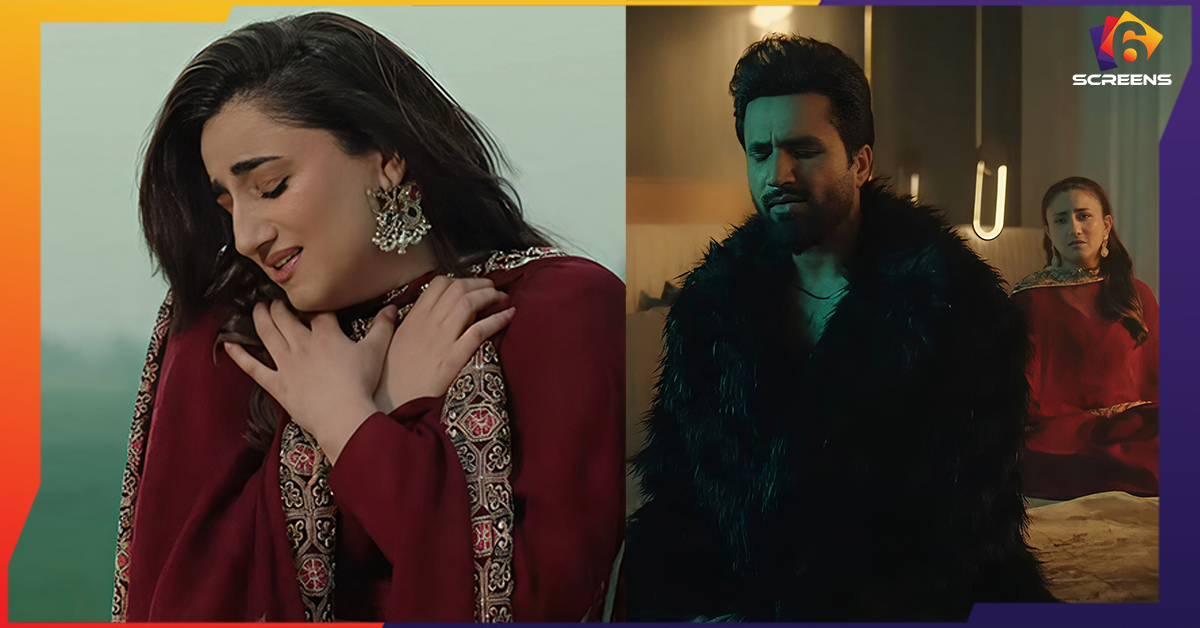
Nimra Mehra the Pakistani singer recently revealed her new video song. The song, titled Hum Sab Jante Hain, is a collaboration with singer Falak Shabir. It was released officially with a video that tells an emotional story of betrayal and heartbreak. However, many social media users focused not on the music but Nimra’s look in the video.
Nimra Mehra became famous due to her beautiful voice and the alluring presence on stage. She became very popular after appearing in popular television shows like Sitaron Say Karen Batain and G Sarkar.
Her Punjabi song, Tu Subha Di Pak Hawa Warga, was very popular.
It garnered more than 77 million views on YouTube alone.
She also performed many popular TV OSTs and sang at concerts across Pakistan.
Despite her strong musical record, the latest video sparked heavy criticism.
Fans focused on her makeup, styling, and overall look rather than her singing.
Many comments online called her appearance “too heavy” and “not fitting her image.”
What Fans Are Saying
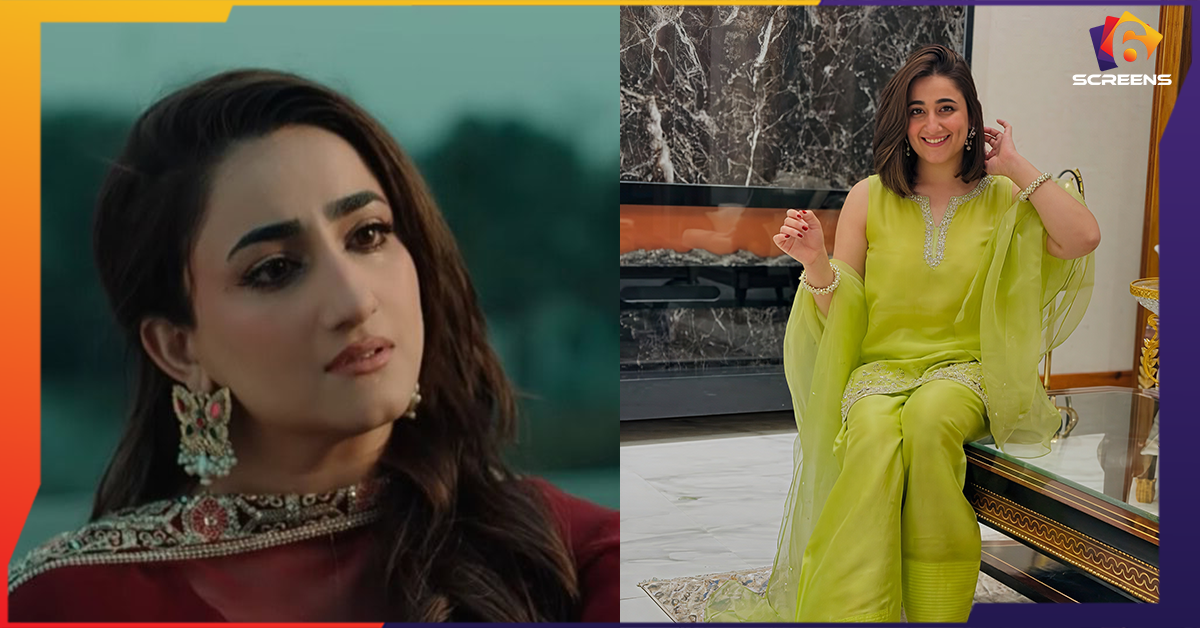
After the video release, social media reacted fast and loudly. Many people commented that Nimra’s smoky eye makeup looked unusual.
A large number of viewers said it made her look much older than she is.
Moreover, some fans wrote harsh remarks like, “She looks old here in this heavy makeup.”
Others said, “Nimra looks like an aunty in this look.”
These comments show that viewers had strong opinions about appearance.
Many believed the look did not fit her usual style. Some also said she seemed uncomfortable in the video’s backstage clips.
Apart from this criticism did not stop with Nimra’s look. Some fans also targeted Falak Shabir for the collaboration choice. These reactions made the online debate even louder.
Why Appearance Matters to Fans
In today’s digital world, visuals matter almost as much as music. Fans judge the song by its visuals and the appearance of the artists in the video.
Nimra Mehra has a certain image that fans have grown to love. Her earlier songs and performances showed a simpler, natural style. This new intense, dramatic look surprised many followers.
Because of this shift, fans reacted emotionally.
Some felt the look did not match the song’s real mood. Meanwhile others felt it distracted from the music itself. This type of online backlash shows how strongly fans connect personal style with music identity.
The Song and Its Visual Story
Despite the reaction to appearance, Hum Sab Jante Hain remains an emotional Punjabi song.
It tells a story of betrayal and heartbreak on screen. Both Nimra and Falak appear in the video acting out emotional scenes.
Many viewers praised the story idea even if they criticized the styling.
The video is a realistic account of pain and devastation. The emotional theme was well mixed with the lyrics of the song to some fans.
Nevertheless, visual decisions were perceived as distracting the intended message by other viewers. This ambivalent response shows that the expectations of the audience may differ.
Social media response is not just about appearance. Not everything was about the makeup or the style; rather, a lot of fans talked about the emotional content of the song. They applauded the heart-throbbing lyrics and the music of the song.
A number of viewers pointed out that Nimra’s voice carries pain and emotion well.
They felt the duet matched real life experiences.
On the other hand others discussed music video trends today.
They said artists often try different looks to make videos stand out.
Nevertheless, not all experiments are liked by all fans.
Why Backlash Happens
Backlash is usually the result of conflicting expectations of the audience and artistic decisions. A lot of fans are strongly attached to the past work of artists. Thus, reactions are more likely to be more vocal when a new project is different.
Nimra Mehra had developed her fan base on some musical identity. Her song Tu Subha Di Pak Hawa Warga was very demanding. This is a viral success that has seen her fans follow her every move.
Although People are close to her music hence they are honest in their opinions. Social media provides them with a social space to express opinions in real-time, hence positive and negative feedback go viral easily.

Supporters Defend Nimra
Although most people criticized her appearance, some people defended her creative decisions. Others stated that the purpose of makeup and styling is to suit the emotional theme of the video. According to them, drama and intensity can demand audacious visual decisions. These advocates indicated that artists were supposed to be left to explore new forms. They claimed that the music should be criticized and not the looks. In addition, this defense demonstrates that fans do not think in the same way.
Some viewers care more about sound and theme than look.
The Role of Visual Trends in Music
Music videos today rely heavily on visual storytelling. The appearance of an artist becomes part of the narrative. Because of this, singers and directors make bold choices.
These choices help the video become memorable and stand out.
However, not every choice appeals to every fan. This pattern is common in international music too. Artists often change styles to fit a theme or genre.
Sometimes the audience embraces the look.
Other times, fans share disappointment.
Nimra’s situation shows this system clearly.
Final Thoughts
The recent song by Nimra Mehra titled Hum Sab Jante Hain received mixed reactions.
The music and the plot were liked by many but her physical appearance split people.
Her makeup and styling were mentioned by some critics.
Others defended her performance and artistic freedom.
This controversy shows how closely audiences watch their favorite artists.
It also shows how public expectations influence reactions to new music.
At Six Screens, we believe every music video will receive opinions from all sides.
Art and style always invite debate.
In the end, Nimra’s vocal talent remains strong.
Her voice continues to draw attention beyond any controversy.
Because music connects with emotion first, viewers will always talk about it — good or bad.
