Mitti De Baway Analysis: Billo, Baala & Social Reality

Mitti De Baway: The Story Was Never About Love.A Deep Analysis of Billo, Baala, and the Reality of Society
When people hear the name Mitti De Baway, they think it is another love story. They expect romance, heartbreak, and sacrifice. The drama tells a very different story. It is not two lovers who were separated by fate. It is about caste, ego, power, revenge, and the painful truth that love alone cannot change society.
Written by Faiza Iftikhar, Mitti De Baway is a Pakistani drama that compels viewers to question traditions many people still accept without reflection. Set in Punjab, the drama's message extends beyond a single village. It reflects realities that persist in many families today.
With Wahaj Ali giving one of his most emotional performances as Baala Gujrati, the story asks a hard question:
What destroys a person more—love or society?
The Real Meaning of "Mitti De Baway"
The title means Figures of Clay.
Clay has no caste. It has no family name. It has no status.
Every human being is made from the earth and will return to the same earth. Yet people spend their lives trying to prove they are better than others.
That is the irony of the drama.
The people who call themselves superior are made from the same soil as those they look down on.
The title quietly reminds us that pride, wealth, family names, and social status disappear with time. Humanity is what truly matters.

Baala Loved, But Billo Never Did.
Many viewers call Mitti De Baway a love story.
If we look closely, it is not.
Baala loved Billo with honesty. He dreamed of a future with her and believed his love was enough.
Billo never looked at him that way.
She accepted his attention when it benefited her. She could never imagine spending her life with him because he was Miraasi's son. His birth became his crime.
This is what makes Baala's pain so heartbreaking.
He does not lose the woman he loves. He discovers that the woman he loved never truly accepted him as an equal.
The drama tells us something many people do not want to admit. Sometimes love does not fail because of destiny. It fails because prejudice is stronger than the heart.
"Banaspati Ishq" Is More Than a Funny Dialogue
One of the famous dialogues from Mitti De Bawa's is "Banaspati Ishq."
The audience laughed.
Social media turned it into memes, but the dialogue hides a deeper meaning.
Banaspati is artificial.
It looks real. It is not.
The drama uses this idea to question relationships.
How much of today's love is real? How much of it is based on convenience, attraction, status, or personal gain?
That is why the dialogue remains unforgettable. It is not comedy. It is criticism hidden inside a simple sentence.
One Spit Changed Two Lives
One scene comes when Baala finally understands the truth. He realizes Billo never respected him because of his caste.
His love turns into disappointment. He spits on Billo's face.
Many people see this as an act of anger. In reality, it becomes the wound of Billo’s life. Years later, she still cannot forget that moment.
Her revenge is not born from love.
It is born from humiliation.
The insult follows her longer than the relationship itself. Sometimes one moment can shape a lifetime. This scene proves that.
The Stigma Of Ghairat
Another powerful message in Mitti De Baway is its criticism of the ghairat culture that still exists in many parts of our society. Baala's brother, Aslam (Acchi), falls in love with Billo's sister‑in‑law. He wishes to marry her with dignity. When Baala brings the proposal to the Shah family, Billo, driven by revenge, exposes that Baala is Miraasi's son. This is Baala Gujrati’s Transformation
As the story continues, Baala's life keeps falling.
Repeated humiliation, the destruction of Baala's family, and the endless cycle of revenge slowly push Baala toward becoming “Kachay Ka Daku.”
This transformation is symbolic. Society first humiliates a man. Then it fears the man Baala becomes. The drama asks another question.
Did Baala choose this path?
Did society create it for Baala?
Baala Gujrati Is Not a Perfect Hero
Many viewers support Baala because of everything he suffers. The drama never presents him as a perfect man. Later in the story, Baala secretly marries Qamar-un-Nisa without telling his wife, Zareena. Whether he believes he is helping a widow or searching for comfort, he still hides the truth from his wife.
This changes how we see him.
He is no longer a victim.
He also becomes someone whose decisions hurt another person.
Zareena refuses to stay silent.
She questions Baala directly. Refuses to accept excuses. Her reaction reminds viewers that honesty is as important as love. This storyline sets Mitti De Baway apart from other dramas. Instead of creating a perfect hero and a perfect villain, it gives us flawed human beings.
The Reality We Pretend Does Not Exist
The biggest strength of Mitti De Baway is its honesty. Many people say caste no longer matters, but the drama quietly disagrees. Baala is judged because he belongs to a Miraasi family.
His talent, kindness, and loyalty never become enough to erase his background. The drama asks a question.
If Islam teaches equality, why does society continue dividing people by birth? This is why Mitti De Baway feels real. It tells the truth that many people avoid discussing.
Why the OST “Paar Channa De” Hurts So Much
The famous song Paar Channa De is not just beautiful music.
It connects the drama to the story of Sohni Mahiwal.
Just as Sohni trusted a clay pot that dissolved in the river, the characters in Mitti De Baway trust pride, caste, and revenge.
Both choices end in destruction.
The music quietly tells the ending before the story reaches it.

Nobody Truly Wins
As the drama continues, almost everyone loses something.
Baala loses the life he imagined.
Billo becomes Bari Sarkar. Power cannot erase guilt or loneliness.
Families are broken.
Relationships are destroyed.
Respect is gained. Happiness is lost.
This is why Mitti De Baway has everyone buzzing, even in just 14 episodes.
It reminds us that revenge never heals wounds. It only creates new ones.
An Unusual Love-Revenge Saga
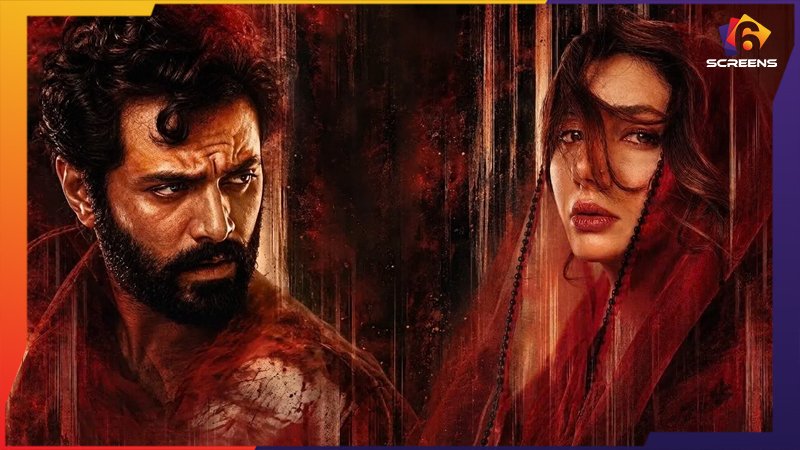
Mitti De Baway is not simply one of the Pakistani dramas starring Wahaj Ali and Mahira Khan.
It is a mirror held up to society.
Through Baala Gujrati, the drama shows how discrimination destroys self-worth.
Through Billo, it shows how pride and revenge can slowly replace kindness until a person becomes Bari Sarkar in the title but remains emotionally imprisoned inside.
The famous dialogue "Banaspati Ishq" reminds us that not every relationship is built on sincerity.
The title reminds us that every human being is made from clay.
Perhaps that is the final lesson of Mitti De Baway: when society values caste over humanity, everyone loses something, and no amount of pride, power, or revenge can change that truth.