Do Kinaray Drama Review: Where Love, Silence & Ambition Crash


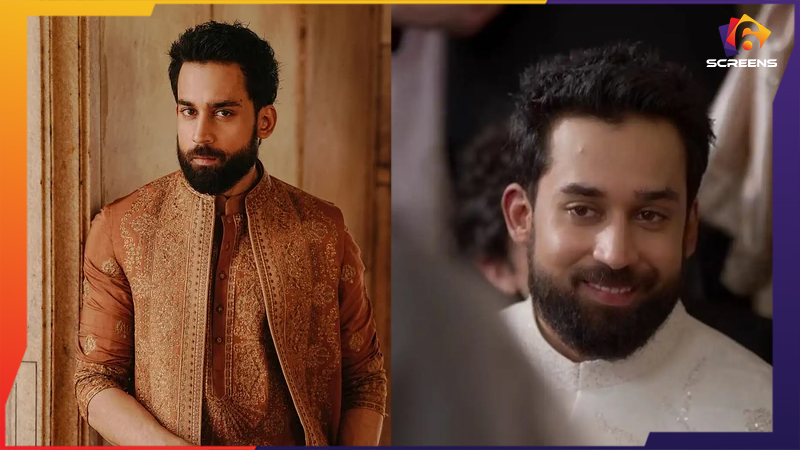
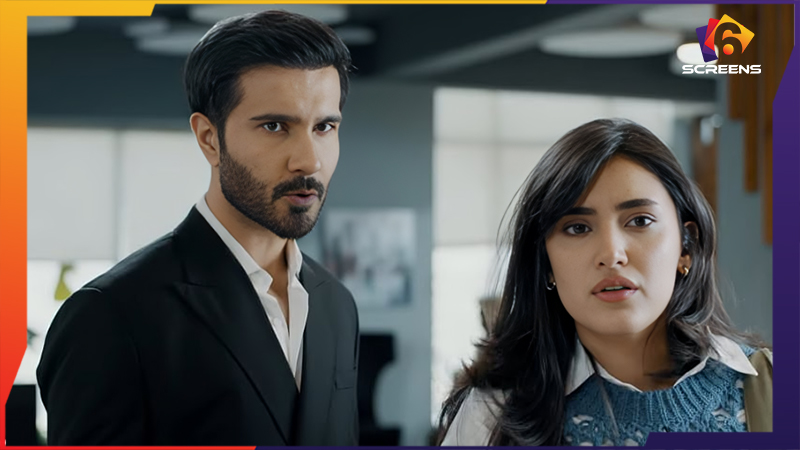
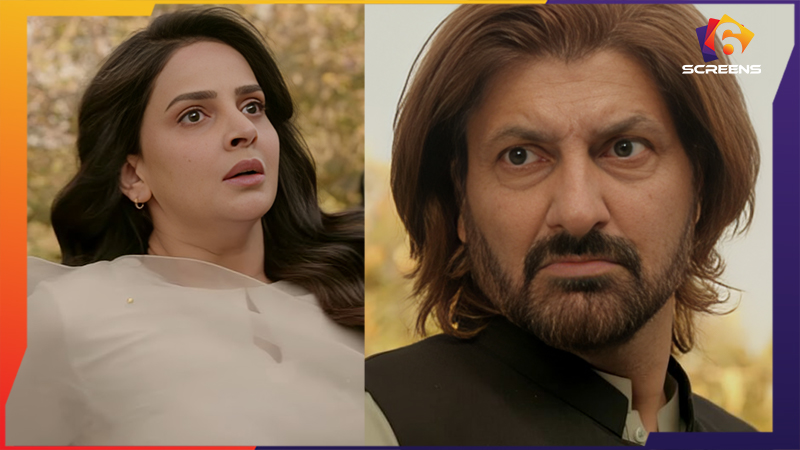
Launched on April 28, 2025, on Green Entertainment, Do Kinaray arrived with anticipation thanks to its renowned cast, evocative soundtrack, and poetic premise: love felt but never spoken. Crafted by writer Rehana Aftab and directed by Syed Faisal Bukhari, the serial unfolds a heartbreaking tale of emotional misalignment between Waleed (Junaid Khan) and Dureshehwar (Momina Iqbal).
Waleed embodies silent devotion; Dureshehwar speaks from her heart. Their inability to reconcile their “love languages” launches a tense relationship filled with longing, frustration, and regret.
Script & Storyline
Among the most gripping recent Pakistani serials, Do Kinaray delves into a relatable societal theme: how ambition and property disputes can tear apart marital bonds. As Lollywood Pictures notes, Durreshehwar stakes everything—including her future home and unborn child—for property, even defying her more grounded mother. Her obsession blinds her to Waleed’s unwavering kindness, revealing a character torn between emotional exigency and material desire.
Social media echoes that sweep of rising tension: across episodes 27 to 38, viewer anger at Dureshehwar’s “toxic,” manipulative behavior peaks. Fans decry her relentless insults and emotional violence toward a husband who consistently absorbs the blows with silence. As Dureshehwar’s poor choices accumulate, it becomes clear she is trapped by her own ambition, while Waleed remains the silent anchor of morality.
Performances That Cut Deep
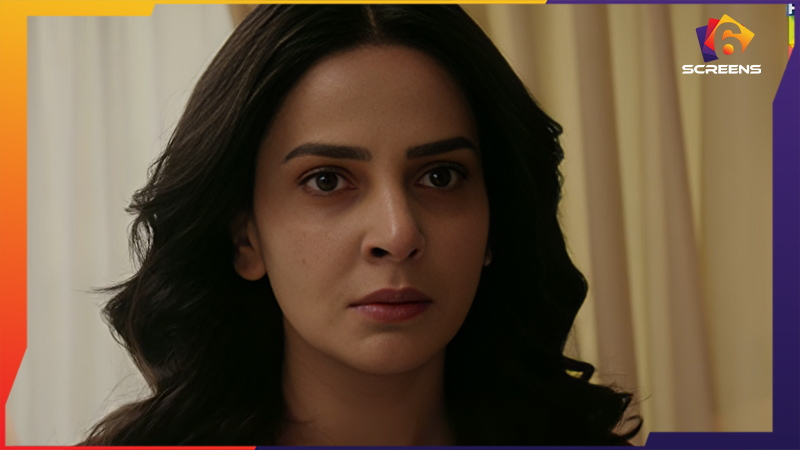
Momina Iqbal brings precision and emotional savagery to the role of Dureshehwar. Her performance registers as intensely real: viewers say her toxicity “feels real,” and emotional abuse from her character stirs genuine anger. Social media highlights scenes where she berates Waleed for supporting his family financially, sparking anger at her callous disregard despite his sacrifices.
Waleed’s (Junaid Khan) restraint, composure, and simple dignity anchor the narrative. A “big brother-like” presence, he captures hearts by embodying a deeply loving yet emotionally underappreciated spouse. Viewers call him the “ultimate green flag husband,” and many confess, “I pray I get a husband like him”. But even his goodwill can’t avert heartbreak once Dureshehwar’s greed and missteps spiral out of control.

Viewer Reactions: Then & Now
When casting was announced, audiences were thrilled. Junaid Khan had proven his emotional depth; Momina Iqbal, known for roles in Ehd-e-Wafa and Dastak, was expected to deliver a nuanced performance. Fans hoped for strong chemistry, expressive dialogues, and real family conflict—not soap dramatics.
As the plot developed, viewer sentiment shifted. Dureshehwar’s character triggered strong emotional responses—from disdain to outright anger. By episode 27, Reviewit.pk reported fans frustrated by Waleed’s passivity: “Waleed just keeps getting insulted. You should not be this naive,” opined one viewer. Another warned, “Our husbands could never be like that. He never replies back.” Dureshehwar was widely seen as setting “a bad example for overpowered women.”
By episodes in the low to mid-30s and approaching the finale, online sentiment intensified. After episode 31, many demanded retribution for Dureshehwar’s emotional cruelty: “I pray every day to see Dureshehwar getting destroyed,” wrote a user. “She is such an irritating girl.” Others defended Waleed, calling him the epitome of respectful love.
In episode 38, when Waleed’s second wife, Mawra, is abused, fans turned criticism toward him: “Now he is being rude to Mawra… Waleed likes to get insulted.” Some users said, “Please bring Dureshehwar back so she can insult Waleed,” showing a twisted sympathy for the status quo. These responses represent a range of experiences that capture a journey of feeling excited to witness emotional storytelling and character development, through feeling not only frustrated but also disgusted at character toxicity, to complicated views on forgiveness and punishment, and what it means to “respect” within a relationship.
Direction & Production
With Syed Faisal Bukhari directing, Do Kinaray tries to balance high production value and smooth emotional storytelling. Some sources on social media noted that occasionally the camera work is flashy for no reason and that scenes took a little too much time, but that in general, the treatment is smart, grounded, and well thought out, especially for drama, in discussing societal issues.
And since the production is by Multiverse Entertainment, tone, pacing, and realism were maintained well. Lots of theatrical direction, with consistent foreshadowing regarding the western setting and latent scenes, often depicting the shoreline; then lingered over hero shots of the actors—with the theme being that love was misunderstood, words were never said, and silence spoke louder than the confession.

Momina Iqbal’s Styling: Highlight in itself
While Momina Iqbal’s acting of Dureshehwar generated mixed reviews, her styling throughout Do Kinaray was consistently acknowledged—even disregarding her character’s implicit and explicit flaws
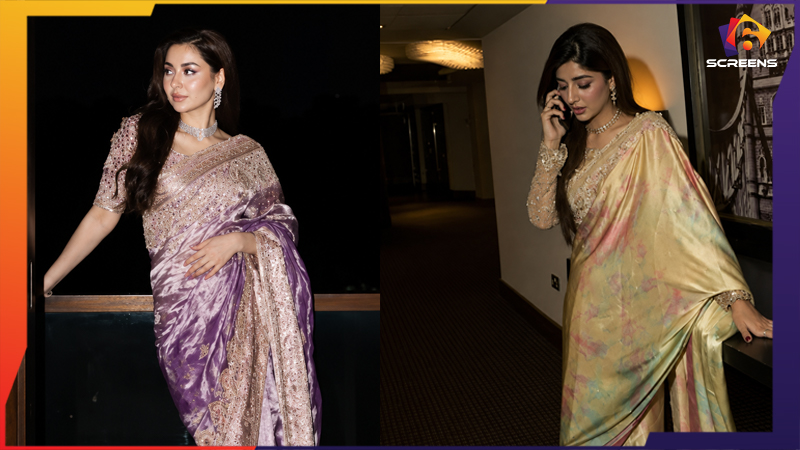
Sources like Samaa.tv and Brides & You hail her wardrobe as a “visual treat” and a “masterclass in elegance.” From her swan-white chikankari by Zara Zubair, styled with delicate natural makeup, to her vibrant bridal ensembles (pink-toned mehndi lehenga, multi-colored Barat sari, regal purple finery), each look resonated with viewers.
Rich black kurta by Ammara N with embroidery and soft waves—a powerful semi-formal aesthetic. Rust-colored co-ord set by Momina Ammar Clothing—chic, earthy, everyday elegance. Bold magenta glam look from Aaimas Atelier—formal, high-glam sophistication with polished makeup and styling.
Fashion writers note Momina’s Eastern sensibility, how she fuses cultural embroidery with modern cuts—creating an aspirational style narrative distinct from the drama’s plot. Her wardrobe is described as “effortless yet thoughtfully elevated,” and fans bookmarked her looks as bridal inspiration or cultural elegance guides.
Final Thoughts
Do Kinaray is significant not because it remains emotionally neutral, but because it provokes reaction—love, anger, introspection. It’s a drama that stirs debates on norms of marriage, forgiveness, emotional labor, and personal ambition. Waleed quietly endures; Dureshehwar tears apart what she needs most in pursuit of what she wants most.
The result is tear-jerking, infuriating, poetic television. Meanwhile, Momina Iqbal’s styling emerges as the drama’s beautiful side note—magnetic aesthetics in white chikankari, bridal brilliance, bold solids, and eastern chic. Her looks offer fans an escape from Dureshehwar’s toxicity. If you’ve watched the series and haven’t weighed in on the comments, now is the time: do you side with Waleed’s stoicism, Dureshehwar’s emotional chaos, or Mawra’s quiet defiance? And regardless of the verdict, it’s undeniable: Do Kinaray leaves a lasting impression—both in memory and mood.