Zia Mohyeddin
Actor
Producer
Writer
Broadcaster
72Yrs Active
1954Debut
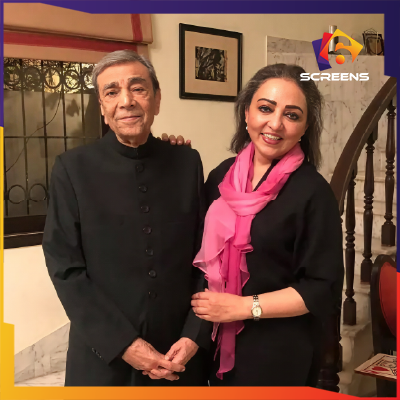
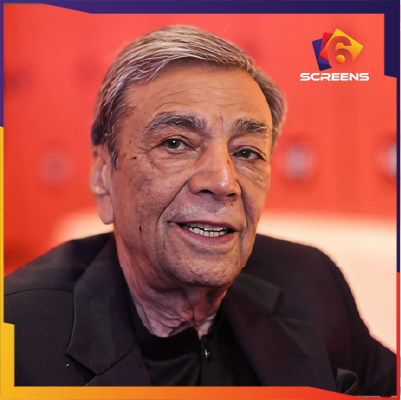
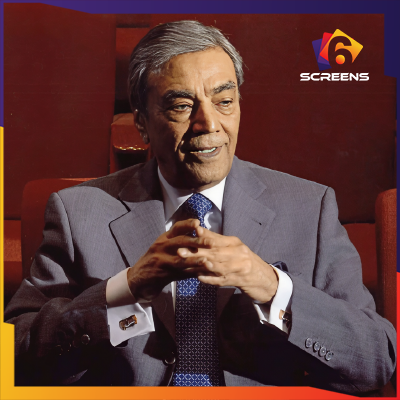
Zia Mohyeddin was a distinguished British-Pakistani actor, theatre director, broadcaster, and author who is widely recognized in both Pakistan and internationally. He was a founding chair of the National Academy of Performing Arts (NAPA) in Karachi, where he later held the title of president emeritus for many years, able to coach and mentor tens of generations of actors and performance artists. Zia Mohyeddin was born in Lyallpur to a cultured Urdu-speaking family, in a close-knit household steeped in literary and creative traditions. He studied and trained in London at the prestigious Royal Academy of Dramatic Art (RADA), where through rigorous training, solidified a commanding presence on stage. He gave outstanding performances in all major stage productions and has many long running West End roles under his belt. He first played the role of Dr. Aziz in a stage adaptation of A Passage to India which was so dynamic that he, later, returned to reprise the role for television. His training and experience allowed him to not only act but direct plays for years after, helping to educate and mentor dozens of actors through NAPA, and contributing to the wider ecosystem of theatrics in Pakistan. Further, he was the first Pakistani to bridge Hollywood, gaining acclaim in the international classic, Lawrence of Arabia. His filmography includes British cinema and television and the Pakistani cinema, and roles in British and Pakistani respected cinema such as Behold a Pale Horse, Bombay Talkie, and Khartoum. Back in Pakistan, he gained national fame with the widely popular talk show The Zia Mohyeddin Show on PTV. He co-created and starred in the UK's first Asian soap opera "Family Pride," and worked on some major British television drama serials. He was an immense talent as a writer too, penning both acclaimed memoirs and essays reflecting on acting and his life experiences. Published volumes of writing included A Carrot is a Carrot, Theatrics, and The God of My Idolatry: Memories and Reflections. His work received some of the highest civilian accolades from Pakistan, including the Sitara-i-Imtiaz and the Hilal-i-Imtiaz. He also received a Lifetime Achievement Award, and people found it appropriate to name a flyover after him in Karachi. Aside from the accolades, his legacy lived on through NAPA and his students who remained his friends like Fawad Khan. His voice, and unique style and wit became part of the cultural lexicon. His colleagues remembered commanding his presence, full of depth and warmth and knowledge.
No filmography added yet.