Rehmat (2026): A Powerful Drama About Toxic Family Dynamics, Betrayal, and Emotional Survival

The daily drama "Rehmat" (2026) on ARY Digital has a multi-layered storyline, moving viewers emotionally, and portraying, in a realistic way.
Toxic family dynamics can start out, develop, and continue among family members who should care for, support, love, cherish, have fun with, and uplift each other, yet do not.
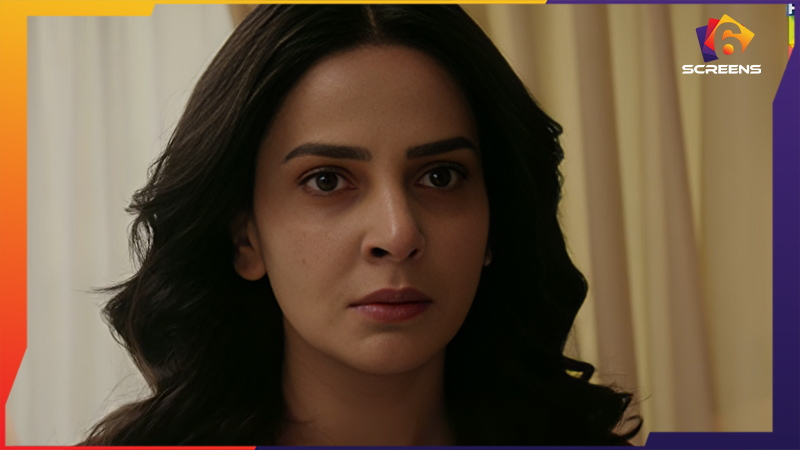
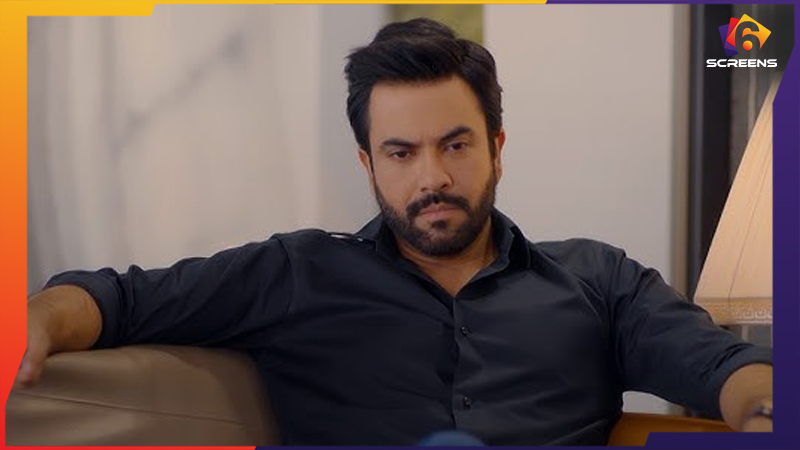
Under the direction of Naveed Ali Khan, "Rehmat" explores, beyond typical dysfunctional family relationships, emotional abuse and resilience through the lives of Parishay (Hina Tariq) and Bari (Junaid Khan).
The main characters in an epic journey of love that is much more than romantic; it's also a journey of two individuals striving to maintain their dignity. And mental peace, while dealing with the continuous emotional pressure from others in their lives.
Every element of "Rehmat" highlights the subtleties of toxicity or emotional abuse, made manifest through everyday interactions, social pressure, and/or calculated silence or non-responsiveness.
The Emotional Weight of Paternal Betrayal
Rehmat's story is one of heartbreak; probably the most painful element of this story is Parishay's family history. Her father deserts her mother to get married again in hopes that he will finally have a son. Sadly, this societal norm, that daughters have lesser value than sons continues to remain true throughout many areas of the globe today.When you are betrayed by your parents it creates many emotional scars that will last a lifetime.
Parishay has developed and taken on the (emotional) support of her entire family. As a result, she is missing out on the experiences that define youth as she is forced into adult-like responsibilities and taking on burdens that she should not have to bear.
The point the author is trying to convey with this storyline is that when parents betray their children it has a cost (emotionally) on the children who are unable to hold their parents accountable.

Calculated Deception and Hidden Agendas
Rehmat is an excellent example of manipulation through premeditated deceit. In the family, toxic parents consistently use their power to create circumstances that will provide them with a positive outcome.
These are not spontaneous misunderstandings but are premeditated and planned strategies.By using deception, untruths (half-truths), and emotional traps, the characters will create confusion.
A particularly egregious example of manipulation involves Shayan. The false narratives surrounding him have the potential to entrap innocent individuals in a cycle of blame and guilt for all of eternity.The play accurately reflects how deceit works within an abusive home.
It does not appear as pure evil but is instead disguised as a concern for the family, for one's family honour, or as a method of emotional blackmail.These elements make the experience of manipulation much more dangerous.
Exploiting Emotional and Physical Vulnerabilities
A further aggravating aspect of the show Rehmat is the exploitation of the vulnerable. We are led to witness many gut-wrenching scenes of how people are abused through weaponizing trust. A very notable example involved an individual being given false hope for a procedure that could potentially reverse a walking disability, only to have that opportunity impeded behind the scenes.
Class Differences and Social Humiliation
Rehmat's conflict is based not only on their financial situation but also on their social class. Although the two leading males consistently provide emotional support to Rehmat, there remains a disconnect in the emotional realm because of their upper class status. Their monetary resources act as weapons against Rehmat, as well as being mere possessions; thus, making it difficult for Rehmat to establish a connection.
The humiliation, judgement and constant reminder of one's social status, class and hierarchy, caused by characters who lack the economic means to compete with upper class characters, diminish the trust in relationships; especially with Rehmat.
Seems like many of the public humiliation and/or disrespectful behaviour (insults, requests for public apologies, demeaning public statements) acts to illustrate these male characters' class/ status insecurities.
The above mentioned illustrates how real life is affected by the social class hierarchy, which is often unintentionally/ invisibly influencing an individual's relationships with others.

Psychological Tactics That Break People
Rehmat, as a stand-alone drama, is very realistic in portraying the psychological manipulation common in unhealthy relationships and dysfunctional family structures.
Storyline Shifting
Manipulators have a unique ability to reframe reality. Their actions are perceived as innocent misunderstandings, but the victim is constantly urged to ignore the obvious patterns of behaviour.Over time, victims become confused and doubt their own judgement.
Blame Shifting
Toxic people do not take responsibility for their actions; they place blame on others. They will wear down their victims emotionally until the victim has no energy left to fight back. Eventually, the victim will find surrender much easier than to fight back.This increases the emotional control of the manipulator.
Withholding and Isolation
In many toxic family systems, individuals must sacrifice themselves to achieve impossible compromises. Characters are often asked to remain silent, accept disrespect and maintain family ties over their own well-being. In such an environment, silence becomes a means of survival. However, this "survival" comes at a significant emotional price.
Parishay and Bari: The Emotional Core of Rehmat
Parishay and Bari are at the center of this emotionally charged drama, where there's a fair amount of toxicity around them.
Their strength doesn't lie in being perfect people but instead about being able to withstand the hardships of their environment. They push ahead without doubt, betrayal, manipulation, or lack of emotional strength to continue on in life with each other.
The relationship between Bari and Parishay has great promise for the viewer, because it shows that you can have a supportive, nurturing relationship in a severely toxic setting.
Bari is often the emotional anchor for Parishay, while Parishay represents quiet endurance and inner strength.As such, they exemplify an example of resistance to the emotional oppression.