Must-Watch PTV Dramas That Defined Pakistan’s Golden Television Era

If you grew up watching PTV, you know those classic dramas were something else. Back then, the writing just hit different. Deeper themes, characters you couldn’t forget, stories that meant something. Those shows weren’t just a way to kill time after dinner; they shaped how people thought, influenced the culture, and left a mark across generations. Even now, according to Dawn’s list of classics, these dramas are still worth watching. They bring emotion, humor, and a kind of storytelling that sticks with you.Here are some of the must-watch PTV dramas you can always go back to. They don’t get old.
Guest House
Guest House is easily one of the most loved sitcoms in PTV’s history. It didn’t stick to a single storyline. Instead, every episode brought a new batch of guests, each with their own quirks and problems, turning the guest house into a never-ending parade of chaos and laughter.
The story circles around Mr. and Mrs. Shameem, who run the “Welcome Guest House.” Mr. Shameem is polite, tries to please everyone, but his wandering eye often lands him in trouble with his wife. Mrs. Shameem, meanwhile, is kind but doesn’t miss a trick especially when it comes to Mr. Shameem’s antics.
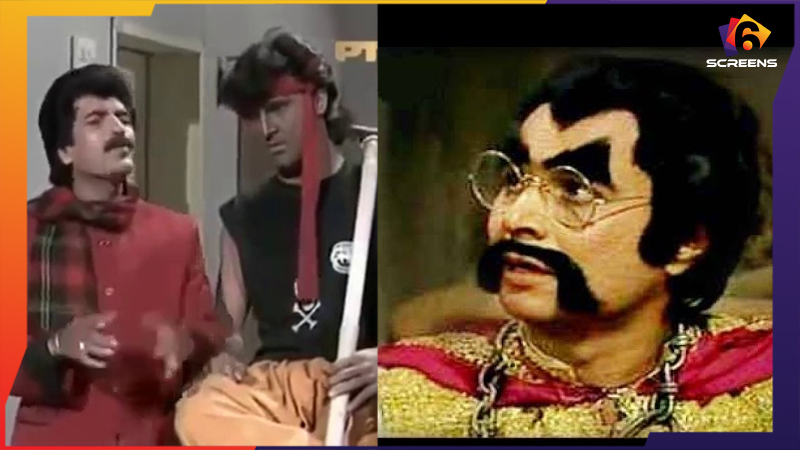
The staff added even more flavor. John Rambo, the janitor, played by Afzal Khan, is this village guy convinced he’s a Hollywood action star. He tries to help out but usually just makes things messier. The bellboys, Naveed and Murad, are always chasing tips or getting dragged into the guests’ problems.
What kept people hooked, though, was how every episode ended with a lesson, wrapped in jokes. People laughed, but they walked away with a little more, too.
Ainak Wala Jin
Ainak Wala Jin was the fantasy drama everyone watched in the ’90s. It followed Nastoor, a good-hearted genie who lands in Lahore from the Caucasus Mountains, just to get his eyes fixed. There he meets Imran, a boy who helps him figure out how to be human.The whole show is full of magic, with witches, wizards, and strange creatures trying to outsmart Nastoor.

Bil Batori, the notorious witch, almost stole the show with her troublemaking ways. Then there’s Zakoota Jin. Every kid knows his catchphrase who can’t decide between good and bad but usually ends up helping out.
But what made the drama special? It slipped morals like friendship, honesty, and courage into wild, magical stories. Kids learned, but they didn’t feel like they were being lectured.
Dhoop Kinare
Dhoop Kinare holds its ground as a classic romantic drama. Set in a Karachi hospital, it pulls you into the lives of the doctors working there.
Dr. Ahmer Ansari is a disciplined pediatrician with a tough past. Dr. Zoya Ali Khan, on the other hand, is young, carefree, and only there because it’s her mom’s dream. Their personalities clash right off the bat. But under the guidance of Dr. Ahmer, Zoya grows up, and a true friendship develops between them. Conflict becomes understanding and then love, but never forced.
Tanhaiyaan
Haseena Moin's Tanhaiyaan tugs at your heartstrings. It's about two sisters, Zara and Sanya, who have lost their parents and are forced to begin anew.
The older sister, Zara, dabbles in money-making to afford the family their old home. She pushes herself hard, almost too hard, just for some sense of security. Sanya, the younger one, keeps things light and bright, helping everyone around her cope.
With supporting characters like Qabacha and Bibi, you get plenty of laughter, but always with real loyalty to the sisters. As Zara chases success, she eventually learns that love and peace matter more than money. That core message is why Tanhaiyaan still makes people tear up.
Aangan Terha
Aangan Terha is Anwar Maqsood at his smartest. It’s a satire set during martial law in Pakistan, but the jokes still hit home today.The main story is about Mehboob Ahmed and his outspoken wife, Jehan Ara. Everything shifts when Akbar shows up. A former dancer who becomes the most sarcastic servant you could imagine.

Akbar throws witty remarks left and right, mixes things up with Jehan Ara, and even gives Mehboob Ahmed a run for his money. Their neighbor, Chaudhry Sahib, pops up to poke fun at the newly rich.It’s funny, but the drama shows big issues: corruption, class divides, and the political mess. People laughed, but they also got the point.
Alif Noon
Alif Noon is another PTV staple, created by Kamal Ahmed Rizvi. It pairs up Allan, who’s always scheming, and Nanha, his honest, simple partner who ruins Allan’s dodgy plans.
Every episode, Allan comes up with a new get-rich-quick scheme: fake businesses, scams, the works. Nanha just does the right thing and, in doing so, messes everything up for Allan. The whole show is a back-and-forth between clever tricks and honest mistakes.
At its heart, the message is simple: honesty pays off, and shortcuts get you nowhere. It’s a lesson dressed as comedy, and it still works.
Taleem-e-Balighan
Taleem-e-Balighan is an old-school masterpiece. It started on radio but made its mark on TV. The story takes place in an adult classroom, with everyone from butchers to barbers trying to pick up basic education.
Their teacher, Master Sahib, tries to keep order, but the class is pure mayhem. Despite all the jokes, the play hammers home the importance of education and social awareness, and it still gets laughs even today.
These classics didn’t just fill up airtime; they brought something real to the screen. That’s why people still talk about them and keep going back to watch again.