Bewa Honay Se Pehle — A Short Film That Exposes Pakistan’s Unspoken Reality

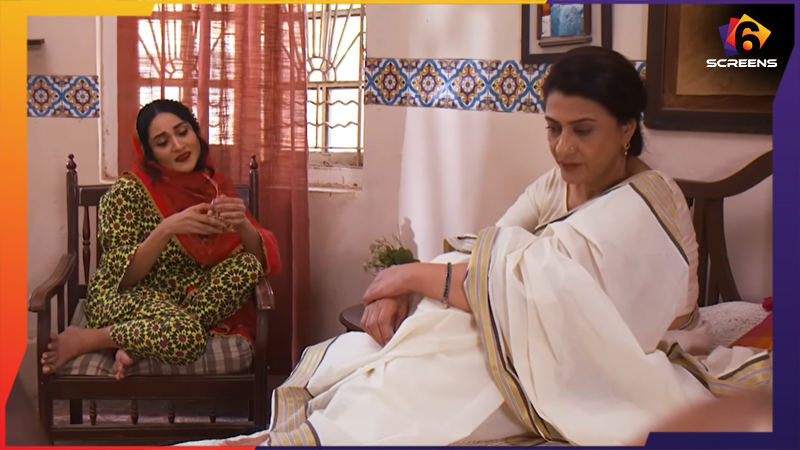
It’s about time. Pakistani entertainment is finally starting to crack open doors that used to stay firmly shut. Now, creators aren’t shying away from tough subjects — they’re digging right in. Bewa Honay Se Pehle is one of those rare projects that got people talking online, and for good reason. Directed by Mazhar Moin and starring the talented Saba Hameed, the film isn't just entertaining. It drags hidden, uncomfortable truths right out of the shadows of ordinary homes, even though lots of people would rather keep those secrets zipped up.
A Story That Refuses to Just Shock
If you just glance at the start, you might think, “Oh, here’s another family drama set in a typical Pakistani living room.” But no, the film doesn’t stay on that comfortable surface. Pretty quickly, it dives deep and exposes the kind of stuff people only talk about in whispers—husbands and wives drifting apart, secrets lurking in private messages, and the silent isolation millions of women feel, surrounded by family but completely alone.
There’s one scene people can’t stop discussing. A wife stumbles onto something suspicious on her husband’s phone. That moment hit a nerve. Why? Because honestly, how many households are really willing to admit what goes on behind closed doors? Fuchsia Magazine even pointed out the film’s courage in finally shining a light on the issues everyone pretends don’t exist. The film never goes for sensationalism. There’s no melodrama, no cheap shots—just quiet tension, awkward silence, and the sort of unsettling conversations that show what secrecy actually does to relationships.

The Taboo at the Film’s Core
The reason everyone keeps debating this short film is simple. It forces you to see the growing distance inside modern marriages, not as something outlandish, but as mundane and everywhere. Technology, secret browsing, emotional neglect, little addictions—these are problems that hum in the background of so many homes in Pakistan, but nobody wants to say it out loud.
The film asks quietly brutal questions: What happened to honest conversations between couples? Why are women still expected to swallow their hurt and keep quiet after they’ve been betrayed? Why does everybody want to look holy in public but push real problems under the rug at home? That’s where the film hits hardest. Bewa Honay Se Pehle turns into something bigger than a short drama—it spits out the truth as social commentary.
People saw themselves in these deeply flawed, ordinary characters. No big villains, no evil mustaches—just stuck people in routine, making mistakes and suffering in silence. That’s what made the story feel so chillingly real.
Saba Hameed’s Subtle Fire
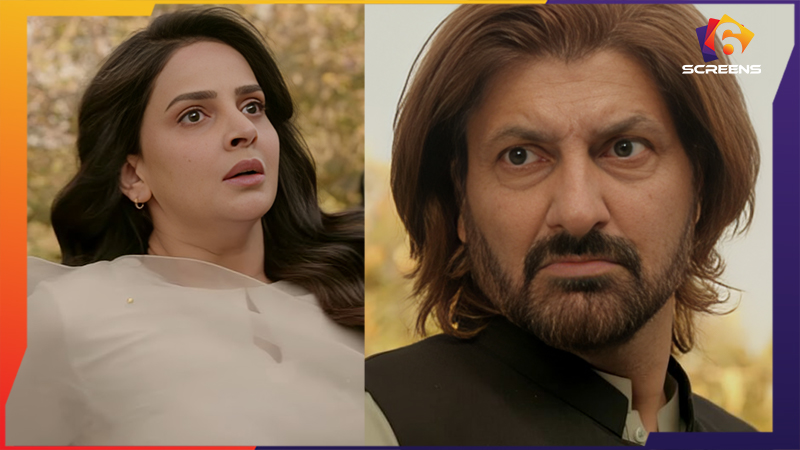
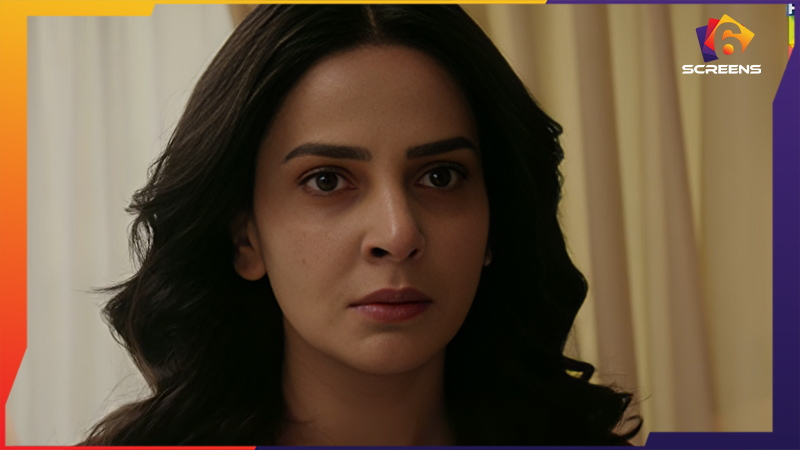
Saba Hameed takes the spotlight here. She’s known for her layered, raw acting in TV dramas, but this time she strips it down, playing a middle-aged woman drowning in disappointment, suspicion, and quiet rage. You can see it all in the tiny shifts of her face—the slumped shoulders, a tight jaw, the tired blinking—she lets the pain simmer instead of serving up big, showy outbursts. That’s what makes it cut even deeper. She makes you feel every ounce of it.
Going Viral for All the Right Reasons
This isn’t just another trending video. The short film blew up online because people were honestly shocked — not by what happened onscreen, but by how openly Pakistani creators finally tackled these forbidden topics. No shiny filters, no fantasy. It’s rough, it’s real, and it’s an uncomfortable mirror for anyone watching.

What’s cool is, this shows just how much Pakistani entertainment is changing. Old-school TV dramas usually tiptoe around awkward issues. But these newer digital short films are taking risks—they’re not afraid to poke at the darker, harder truths, even if it makes some viewers squirm.
Igniting Conversations We’re All Scared of
The brave thing about Bewa Honay Se Pehle is that it refuses to stay silent. Sure, some accused the film of being “too bold,” but honestly, the issues exist whether people talk or not. Halting vulnerable stories just leaves families more isolated. The film makes a big point: Silence is not harmless. People let emotional pain, loneliness, and unhealthy addictions fester for years — and before anyone knows it, these things quietly eat away at every relationship.
There’s nothing tidy about the ending. The discomfort lingers long after the credits roll. And that’s because there isn’t a neat, packaged solution waiting for the viewers. That’s the power of the film. It plants unease and keeps the conversation running.
Last Thoughts
At the end of the day, Bewa Honay Se Pehle isn’t just another viral hit. It marks a turning point for Pakistani storytellers. People are pushing boundaries, breaking taboos, and finally holding up a mirror that doesn’t flinch from uncomfortable reality.
With strong, honest performances and a plot rooted in the stuff of everyday life, the film leaves its audience with a tough challenge: deal with these hidden truths, or sit in silence and pretend everything’s fine. Whether you love the film or hate it, there’s no denying it got people talking—not just online, but in their living rooms, too.